


A Brief History of The Petroleum Industry – The Historical Evolution of Oil and Gas Investments
In this article we will take a look at the gas and oil industries development and growth over the years from oil discovery and when oil drilling began through to a future look at investing in the industry.
Introduction to the History of Oil and Gas
The historical evolution of oil and gas investments represents one of the most significant economic developments of the modern era. From humble beginnings in the mid-19th century to today’s complex global market, petroleum has transformed from a curiosity into the lifeblood of industrial civilisation. This brief history examines how investments in oil and gas have evolved alongside technological advances, geopolitical shifts, and changing market dynamics.
The oil and gas industry has consistently attracted substantial capital throughout its development, creating fortunes and reshaping the global economic landscape. Understanding this evolution provides valuable context for modern investors navigating today’s energy markets.
The Origins of Petroleum Industry Investments
Early Discoveries and First Commercial Wells
The history of the petroleum industry begins well before the modern era. While petroleum has been used for thousands of years in various forms, the birth of the commercial oil and gas industry dates to the mid-19th century. The first drilled oil well in North America was established at Oil Creek near Titusville, Pennsylvania in 1859 when Edwin Drake successfully employed drilling techniques to extract crude oil from underground reservoirs.
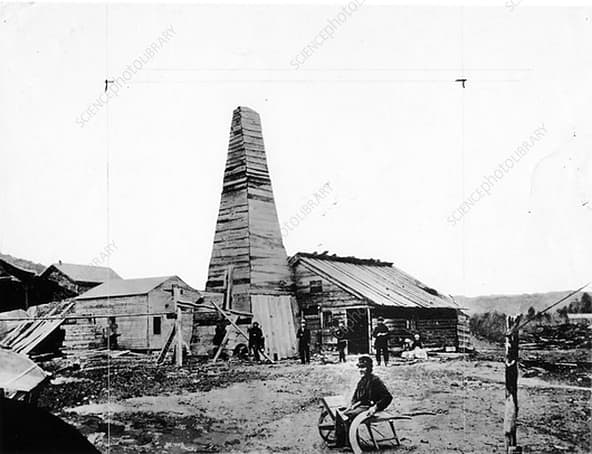
This discovery at Oil sparked America’s first oil boom, as entrepreneurs rushed to find oil in the region. These early prospectors were the first oil producers in what would become a massive global industry. The primary use for this early crude oil was as illuminating oil for lamps, replacing increasingly expensive whale oil.
Standard Oil and the First Oil Giants
The chaotic early days of the petroleum industry soon gave way to consolidation and organisation. John D. Rockefeller’s Standard Oil Company, founded in 1870, quickly became the dominant force in the American oil market. Through aggressive acquisition strategies and vertical integration, Rockefeller’s Standard Oil controlled approximately 90% of US oil refining by the 1880s.
This period marked the emergence of the first truly significant oil and gas investments, as Standard Oil and other early oil companies raised substantial capital to fund expansion. The industry in the United States developed rapidly, with successful oil ventures generating enormous returns for early investors.
Global Expansion of Oil and Gas Investments (1900-1950)
International Development and Diversification
By the early 20th century, oil field discoveries in Texas, Oklahoma, California, Russia, the Middle East, and South America transformed the global oil market. Big oil companies like Royal Dutch Shell, British Petroleum, and Texaco emerged as international competitors to American oil dominance.
This period saw expanded applications for petroleum products beyond illuminating oil, particularly with the rise of the automobile industry. Fuel oil and petrol became increasingly important, driving further investment in oil production and refining capacity.
Investment Structures in the Early Industry
Early oil and gas investing typically involved:
- Direct investment in drilling operations
- Stock purchases in integrated oil companies
- Royalty arrangements with landowners
- Formation of limited partnerships for exploration
- Speculative investments in smaller oil ventures
The table below illustrates the evolution of major oil companies and their investment characteristics during this formative period:
| Company | Founded | Initial Investment Source | Primary Operations | Notable Expansion |
| Standard Oil | 1870 | Private capital (Rockefeller) | Refining, distribution | Vertical integration across the supply chain |
| Royal Dutch Shell | 1907 | European banking houses | International exploration | Expansion in Dutch East Indies |
| Phillips Petroleum | 1917 | Brothers Frank and L.E. Phillips | Oil well operations | Pioneered natural gas liquids extraction |
| British Petroleum | 1909 | British government | Middle East exploration | Secured Iranian oil concessions |
| Texaco | 1902 | Texas entrepreneurs | Refining | Developed first national petrol station network |
The Post-War Oil and Natural Gas Investing Surge
The period following World War II saw unprecedented growth in oil consumption, driven by industrialisation, suburbanisation, and the rise of consumer culture. This created significant opportunities for oil and gas investing as companies expanded operations to meet rising demand.
Key developments during this period included:
- Offshore oil development in the Gulf of Mexico and other regions
- Expansion of oil tanker fleets to support international trade
- Significant technology investments to improve oil drilling efficiency
- Development of natural gas infrastructure and markets
- Integration of oil investments into institutional portfolio strategies
During this period, the petroleum industry became increasingly sophisticated, with major oil companies developing extensive research capabilities and global operations. Investment in the natural gas industry also accelerated, as gas pipeline networks expanded and applications for natural gas grew beyond heating to include electricity generation and industrial processes.
Oil Crises and Market Transformation (1970s-1980s)
OPEC’s Rise and the Oil Embargoes
The 1970s marked a pivotal shift in the world oil market. The Organization of the Petroleum Exporting Countries (OPEC) asserted control over oil pricing and production, challenging the dominance of international oil companies. The oil crises of the 1970s, particularly the 1973 oil embargo, demonstrated the vulnerability of oil-dependent economies and sent shockwaves through global markets.
These geopolitical developments fundamentally altered the nature of oil and gas investments. The price of oil became increasingly volatile, creating both risks and opportunities for investors. National oil companies gained prominence, often taking control of resources previously managed by international firms.
Investment Responses to Market Volatility
Investors adapted to the new reality of the global oil market through:
- Increased diversification across energy sectors
- Development of oil price hedging strategies
- Greater focus on political risk assessment
- Investment in alternative energy sources
- Exploration in non-OPEC regions (North Sea, Alaska)
The period also witnessed the oil glut of the 1980s, when excess supply drove down prices and created significant challenges for high-cost producers. These boom-and-bust cycles became a defining characteristic of oil and gas investing, requiring more sophisticated risk management approaches.
The Modern Era of Oil and Gas Investments (1990s-Present)
Globalisation and Technology Transformation
The modern world oil industry has been shaped by continued globalisation, technological innovation, and evolving environmental considerations. Major developments influencing oil and gas investments in recent decades include:
- Digitalisation of exploration and production
- Advanced techniques for extracting tight oil and oil sands
- Expansion of natural gas policy frameworks supporting investment
- Development of LNG (liquefied natural gas) infrastructure
- Integration of renewable energy into traditional oil company portfolios
The world’s largest oil producers today include a mix of national oil companies like Saudi Aramco and international oil companies such as ExxonMobil, Shell, and BP. Investment strategies have become increasingly complex, with considerations extending beyond simple supply and demand for oil to include climate policy, technological disruption, and changing consumer preferences.
The Rise of Unconventional Resources
A significant development in recent history of oil has been the commercial viability of unconventional resources. Investments in heavy oil platforms, oil sands projects, and particularly shale oil and gas in North America have transformed global energy markets. These resources have altered the supply and demand dynamics for oil and natural gas, with the United States re-emerging as a global oil producer after decades of declining production.
Investment Considerations in Contemporary Oil and Gas Markets
Today’s oil market presents a complex landscape for investors. Key factors influencing investment decisions include:
Market Fundamentals and Price Dynamics
The global oil market continues to be driven by fundamental supply and demand factors, though these have grown increasingly complex. Oil price volatility remains a significant consideration, with geopolitical events, OPEC decisions, and economic cycles all influencing market conditions.
Demand for OPEC oil fluctuates based on global economic conditions and the production capacity of non-OPEC sources. The international oil market has become more integrated, with pricing increasingly influenced by global rather than regional factors.
Geopolitical Factors
The petroleum industry remains highly influenced by geopolitical considerations. State oil companies control the majority of global oil reserves, while international oil companies often possess superior technological capabilities. This creates complex relationships that investors must navigate.
Regions with significant oil deposits often experience political instability, creating additional risk factors for direct investments. The global oil supply chain remains vulnerable to disruptions from conflicts, sanctions, and other international tensions.
Environmental Considerations and Energy Transition
Perhaps the most significant development in recent oil and gas investing has been the growing focus on environmental impacts and climate change. Concepts like peak oil have shifted from supply concerns to demand projections, as some analysts forecast declining long-term demand for petroleum products.
Major oil companies have begun diversifying into renewable energy and alternative fuels, reflecting this uncertain future for traditional petroleum investments. This transition creates both risks and opportunities for investors in the energy sector. But we have also seen a change in direction with the recent BP announcement in February 2025 of a significant shift in its strategy, pivoting from renewable energy back to oil and gas and increasing investment in fossil fuel production to $10 billion annually.
Future Outlook for Oil and Gas Investments
The future of oil and gas investing will likely be shaped by several key trends:
- Continued technological innovation in extraction and processing
- Growing emphasis on natural gas as a transition fuel
- Integration of digital technologies throughout the value chain
- Evolving regulatory frameworks addressing environmental concerns
- Changing investment patterns reflecting ESG (Environmental, Social, Governance) priorities
While petroleum will remain essential to the global economy for decades to come, the industry faces significant transformation. Investors seeking to learn more about oil and gas opportunities must consider both traditional market fundamentals and emerging trends reshaping the energy landscape.
Conclusion
The historical evolution of oil and gas investments reflects the remarkable journey of petroleum from an obscure commodity to the foundation of modern industrial economies. From the early days of American oil in Pennsylvania to today’s complex global marketplace, oil and gas investing has created enormous wealth while navigating significant volatility and transformation.
Understanding this rich history provides valuable context for contemporary investment decisions. The petroleum industry has consistently demonstrated resilience and adaptability in the face of technological, economic, and political challenges. As the world transitions toward a more diverse energy future, this historical perspective offers important insights for investors seeking to navigate the continuing evolution of oil and gas markets.