


Portfolio Diversification: Why Oil and Gas Investing Diversification Makes Sense
Looking to strengthen your investment portfolio? Discover how strategic oil and gas investing diversification can provide stability and growth potential in today’s complex market landscape.
Understanding Oil and Gas Investment Fundamentals
The oil and gas sector remains a significant component of the global energy landscape despite ongoing transitions in the energy market. Investors seeking to diversify their portfolio often consider oil and gas investments as a way to balance risk and potential returns. Understanding the fundamentals of this sector is essential before deciding to invest in oil and gas.
Oil and gas companies operate across various segments of the industry, from exploration and production to refining and distribution. The value of these investments often correlates with crude oil and natural gas prices, which can fluctuate based on global supply and demand dynamics.
When considering investment in oil and gas, it’s crucial to understand how these price movements might affect your overall investment strategy. (Check out our content on investing in oil and gas wells here for further information)
Key Factors Influencing Oil and Gas Markets
Several elements drive the performance of gas investments and determine the price of oil in global markets:
- Supply and demand of oil: The fundamental economic principle influencing oil prices
- Geopolitical factors: Regional conflicts and international relations affecting oil production
- Technological advancements: Innovations that impact how companies extract and process resources
- Environmental regulations: Policies that may restrict or encourage certain types of fossil fuel activities
The volatility of oil markets makes it important to approach oil investments with a clear understanding of these drivers. Many successful oil and gas companies have adapted their strategies to navigate these complexities.
Benefits of Investing in Oil and Gas for Portfolio Diversification
Risk Mitigation Through Diversification
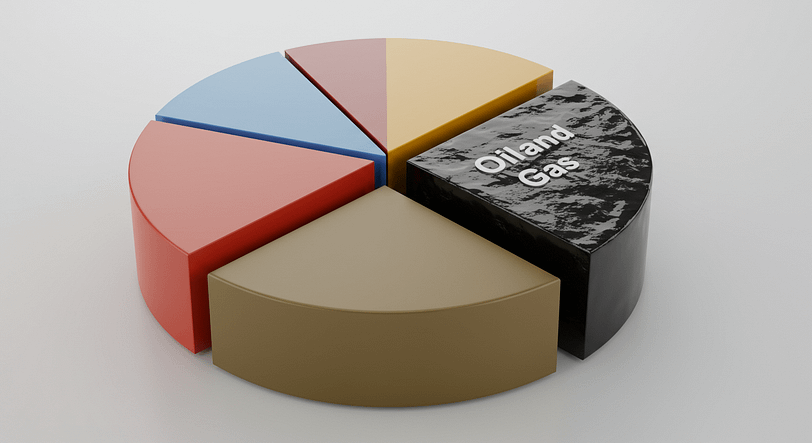
One of the primary reasons investors consider the oil and gas sector is for portfolio diversification. Traditional investment portfolios heavily weighted in stocks and bonds may benefit from exposure to oil and commodities that sometimes move independently of broader market trends.
Oil companies often provide steady dividend yields, making them attractive for income-focused investors. Additionally, investing in crude oil through various financial instruments can serve as a hedge against inflation, as oil prices frequently rise alongside other consumer goods during inflationary periods.
Current Investment Opportunities in the Sector
The oil and gas industry presents various investment opportunities across its value chain:
| Investment Type | Risk Level | Potential Return | Liquidity |
|---|---|---|---|
| Major oil producers | Moderate | Moderate with dividends | High |
| Exploration companies | High | Variable/High | Moderate |
| Pipeline operators | Low-Moderate | Stable with income | Moderate |
| Oil futures | High | Variable | High |
| Gas investing ETFs | Moderate | Moderate | High |
Investors can choose from direct investments in leading oil and gas companies or gain broader exposure through energy-focused funds. The oil and gas investment landscape offers options for different risk appetites and investment goals.
Balancing Traditional and Alternative Energy
The energy transition is reshaping how we think about investing in this sector. While there’s growing demand for cleaner energy, oil remains an essential resource for transportation, manufacturing, and numerous other applications. Many oil and gas companies are diversifying into renewable energy sources, recognising the long-term shifts toward renewable energy technologies.
This transition creates interesting dynamics for investors. Companies that successfully balance their traditional oil and gas operations while developing renewable energy capabilities may offer sustainable growth prospects. When investing in oil companies, examining their approach to the energy transition can provide insights into their long-term viability.
Technological Innovations Shaping the Industry
Technological advancements continue to transform the oil and gas sector:
- Enhanced recovery techniques that improve the production of oil from existing wells
- Digital technologies optimising gas operations and reducing costs
- Carbon capture innovations addressing environmental concerns associated with oil and gas extraction
- Advanced materials improving equipment durability in extreme conditions
These innovations are helping the industry adapt to changing market conditions and environmental expectations. Investors should learn more about oil and gas technologies when evaluating potential investments, as companies embracing innovation may be better positioned for future challenges.
Strategic Approaches to Oil and Gas Investing
Portfolio Allocation Considerations
When considering how to invest in oil and gas within your portfolio, balance is key. Financial advisors often suggest limiting exposure to any single sector, including energy. A thoughtful approach might include:
- Allocating 5-15% of your portfolio to energy investments
- Diversifying within the sector across upstream, midstream, and downstream operations
- Including both established oil producers and innovative companies exploring alternative energy
- Considering the correlation between oil investments and other assets in your portfolio
This balanced approach helps manage the inherent volatility of oil prices while maintaining potential benefits from the sector’s performance.
Evaluating Oil and Gas Companies for Investment
When researching specific oil and gas companies for potential investment, consider these factors:
- Reserve quality and quantity (measured in barrels of oil equivalent)
- Production costs and efficiency metrics
- Balance sheet strength and debt levels
- Dividend history and sustainability
- Environmental practices and adaptation to the transition to a lower-carbon future
Look for companies with proven management teams and clear strategies for navigating both short-term market fluctuations and long-term industry changes. Many oil and gas companies with strong fundamentals can weather price volatility while providing reasonable returns.
The Role of Natural Gas in the Energy Mix
Natural Gas as a Transition Fuel
Natural gas plays a crucial role in the evolving energy landscape. Often considered a cleaner alternative to other fossil fuel sources, natural gas produces fewer emissions when burned. This characteristic positions it as a potential bridge in the transition toward renewable energy systems.
The demand for natural gas continues to grow in many regions, particularly as countries seek to reduce their reliance on coal. Gas prices, though volatile, have generally been more stable than oil prices in recent years, potentially offering different risk-reward characteristics for investors interested in this segment of the energy market.
Global Natural Gas Market Dynamics
The international energy agency and other organisations forecast continued growth in global energy demand, with natural gas expected to meet a significant portion of these energy needs. Factors influencing the natural gas market include:
- Infrastructure development (LNG terminals, pipelines)
- Regional supply differences and export capabilities
- Policy decisions regarding power generation
- Industrial demand patterns
- Competition from renewable energy sources
Investors considering gas investments should understand these dynamics and how they might influence both short and long-term market movements.
Renewable Energy Integration in Oil and Gas Portfolios
Major Players Adapting to Change
Many oil and gas companies are actively diversifying into renewable energy and green technologies. This strategic pivot reflects recognition of long-term energy consumption trends and growing demand for cleaner energy alternatives. Some leading oil and gas corporations now invest significantly in solar, wind, and other alternative energy sources.
This evolution creates interesting investment considerations. Companies successfully managing the transition may offer both near-term returns from traditional operations and long-term growth potential from renewable initiatives. When evaluating oil and gas investing options, examining a company’s renewable energy strategy has become increasingly important.
Balancing Traditional and Future Energy Investments
For investors seeking exposure to both current energy systems and future technologies, several approaches warrant consideration:
- Investing in integrated energy companies with both fossil fuel and renewable operations
- Creating a personal portfolio that includes pure-play oil producers alongside renewable energy companies
- Exploring specialised funds that focus on the energy transition
- Considering companies developing technologies that address environmental concerns associated with oil and gas production
This balanced approach acknowledges both the continuing role of traditional energy sources and the growing importance of cleaner energy alternatives in meeting global energy demand.
Risk Factors in Oil and Gas Investments
Market Volatility and External Influences
The price of crude oil and natural gas can fluctuate dramatically based on numerous factors outside any single company’s control. These include:
- Geopolitical tensions affecting major oil producers
- OPEC production decisions
- Economic growth patterns influencing demand for oil and gas
- Weather events disrupting supply chains
- Currency fluctuations affecting global oil markets
This volatility creates both risks and opportunities for investors. While price swings can generate significant returns during favourable periods, they also introduce substantial downside potential during market contractions.
Environmental and Regulatory Considerations
Environmental concerns, including climate change and the risk of oil spills, continue to affect the regulatory landscape for fossil fuel companies. Investors should consider how these factors might impact long-term investment performance:
- Stricter regulations on emissions and environmental practices
- Carbon pricing mechanisms affecting profitability
- Changing consumer preferences toward cleaner energy sources
- Potential for stranded assets as the world shifts toward renewable energy
- Reputational risks associated with oil and gas operations
Companies prioritising environmental responsibility and adapting to regulatory changes may face fewer challenges in these areas, potentially offering more sustainable investment prospects.
Investment Strategies for Different Market Conditions
The cyclical nature of oil and gas prices requires different investment approaches depending on market conditions. During periods of rising prices, exploration and production companies often outperform. When prices fall, integrated majors with diverse operations and strong balance sheets typically demonstrate greater resilience.
Investors should learn about strategies for different price environments:
- During price upswings: Consider greater exposure to pure-play producers and service companies
- During price downturns: Focus on financially strong integrated companies with low production costs
- In transition periods: Look for companies with balanced portfolios and clear strategic direction
These adaptive approaches help manage the inherent cyclicality of the oil and gas sector.
Long-term Positioning in a Changing Landscape
For investors with extended time horizons, positioning for the evolving energy landscape becomes crucial. This might include:
- Focusing on companies making meaningful investments in alternative energy
- Evaluating the sustainability of business models as the world becomes increasingly powered by renewable sources
- Considering specialised segments like natural gas infrastructure that may remain relevant longer during the energy transition
- Assessing companies based on their carbon intensity and plans for reduction
A forward-looking approach acknowledges both the continuing importance of oil or natural gas in the near term and the gradual transformation of the energy sector over decades.
Conclusion: Balancing Tradition and Innovation in Energy Investments
Oil and gas investing diversification represents an approach that recognises both current realities and future trends. While the global energy system continues its transition to a more sustainable model, fossil fuel resources remain vital components of worldwide energy supply chains and economic activity.
For investors seeking to navigate this complex landscape, a balanced strategy might include exposure to successful oil and gas operations with strong fundamentals alongside investments in companies leading the shift toward cleaner energy alternatives. This approach acknowledges the driver of oil markets today while positioning for tomorrow’s energy needs.
By understanding the nuances of the oil and gas sector, evaluating companies based on both traditional metrics and adaptation strategies, and maintaining appropriate diversification, investors can potentially benefit from this dynamic sector while managing its inherent risks.
Whether you’re considering direct investment in oil and gas companies, exploring energy-focused funds, or simply seeking to understand this important economic sector better, ongoing education and careful analysis remain essential. The energy market continues to evolve, but thoughtful investment approaches can help navigate its complexities.