


Sustainable Oil Extraction: A Deep Dive
Oil and gas remain crucial to the global energy mix, but their extraction has significant environmental and social consequences. Sustainable oil extraction aims to minimize these impacts while meeting current energy demands.
This article delves into the concept of sustainable oil extraction, explores its methods, examines its environmental and economic impacts, and discusses the challenges of its implementation.
What is Sustainable Oil Extraction?
Sustainable oil extraction involves managing resources, investments, and technologies to optimize operations while emphasizing safety, reliability, efficiency, and environmental and social awareness. It seeks a balance between industry needs, planetary well-being, and stakeholder interests. This approach acknowledges the interconnectedness of economic, social, and environmental factors. Experts define it as the practice of maintaining and optimizing operations with an emphasis on safety, reliability, efficiency, environmental, and social awareness .
Methods of Sustainable Oil Extraction
Several methods contribute to sustainable oil extraction:
- Improving Energy Efficiency: Optimizing energy use throughout the extraction process can significantly reduce carbon emissions. This can be achieved through regular equipment maintenance, upgrading to energy-efficient technologies, and training staff on energy conservation practice.
- Reducing Flaring and Venting: Flaring, the controlled burning of waste gas, is often employed as it converts methane, a potent greenhouse gas, into carbon dioxide, which has a less severe impact on global warming. Venting is the controlled release of gases into the atmosphere. Companies can reduce emissions by capturing these gases for reuse or by transporting them to an onsite facility for use as an energy source.
- Implementing Carbon Capture and Storage (CCS): CCS captures carbon dioxide emissions from oil production and stores them underground, preventing their release into the atmosphere and mitigating global warming.
- Enhancing Oil Recovery Methods: Techniques like Enhanced Oil Recovery (EOR) involve injecting substances like carbon dioxide into oil reservoirs to increase extraction efficiency. This reduces waste and improves production.
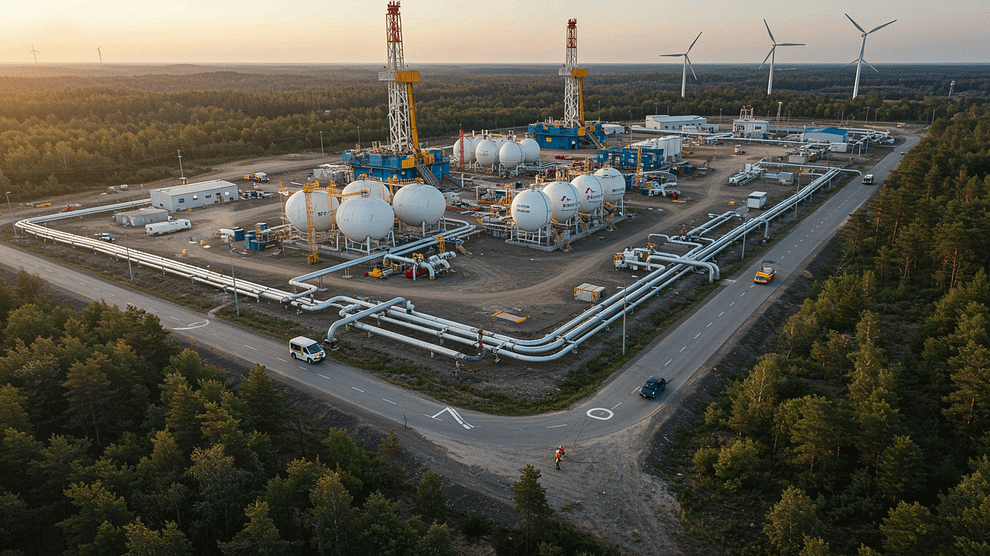
- Using Renewable Energy Sources: Diversifying energy sources by incorporating renewables like solar, wind, and biofuels can reduce reliance on fossil fuels and lower emissions. For example, companies like Equinor are investing in offshore wind farms to power their oil platforms, while TotalEnergies has invested in solar energy projects to provide sustainable power. These initiatives demonstrate a commitment to integrating renewable energy sources into oil extraction operations.
- Minimizing Water Usage: Oil production, particularly fracking, requires large amounts of water. Sustainable practices include treating and reusing produced water, reducing freshwater consumption, and exploring alternative water sources like brackish water and seawater desalination.
- Recycling Used Oil: Traditional oil disposal methods are harmful. Recycling used oil into diesel fuel provides a valuable alternative to disposal and creates fuel for operations.
- Reducing Methane Leaks: Methane is a potent greenhouse gas. Sustainable oil extraction involves using better equipment, improved maintenance, and surveillance technology like IoT sensors and drones to detect and prevent methane leaks.
- Adopting Digital Solutions: Digital tools like FAT FINGER help create checklists, workflows, and digital procedures to ensure work is done correctly, reducing errors that could lead to environmental damage .
- Using Biodegradable Hydraulic Fluids: Companies like TotalEnergies are using biodegradable hydraulic fluids, which are derived from renewable sources and break down more easily in the environment, reducing pollution and improving the safety of operations.
Environmental Impact of Sustainable Oil Extraction
While aiming to minimize negative impacts, sustainable oil extraction still faces environmental challenges:
- Air Pollution: Oil extraction releases pollutants like volatile organic compounds (VOCs), sulfur dioxide (SO2), and nitrogen oxides (NOx), contributing to smog, respiratory problems, and climate change. Sustainable practices, such as reducing flaring and venting, implementing CCS, and using renewable energy sources, can help address this issue.
- Water Contamination: Chemicals used in extraction can contaminate groundwater. Spills and leaks from pipelines and storage tanks can also pollute surface water. Sustainable water management practices, including treating and reusing produced water and using alternative water sources, aim to minimize this impact.
- Habitat Destruction: Oil extraction often requires clearing land for drilling sites and infrastructure, leading to habitat loss and disruption of ecosystems. Sustainable practices emphasize minimizing land use and implementing habitat restoration projects to offset any unavoidable impacts.
- Soil Degradation: Spills, leaks, and improper waste disposal can contaminate soil, affecting fertility and agricultural productivity. Sustainable practices focus on preventing spills and leaks and ensuring responsible waste management to protect soil quality.
- Disturbance of Marine Ecosystems: Offshore oil exploration can harm fish and marine mammals through seismic techniques used to explore the ocean floor. Sustainable offshore oil extraction involves using less invasive exploration techniques and minimizing noise pollution to protect marine life.
Economic Benefits of Sustainable Oil Extraction
Sustainable oil extraction offers several economic advantages:
- Reduced Costs: Investing in energy efficiency and renewable energy can lead to long-term cost savings.
- Increased Production: EOR techniques can increase the amount of oil extracted from a reservoir, improving efficiency.
- Job Creation: Sustainable practices can create jobs in areas like renewable energy, technology development, and environmental management 10. For example, the International Energy Agency estimates that the transition towards net-zero emissions will create millions of new jobs in the clean energy sector.
- Enhanced Reputation: Companies prioritizing sustainability can improve their brand image and attract oil and gas investors who value ESG (Environmental, Social, and Governance) principles 11.
- Access to Capital: Meeting ESG requirements can provide access to funding from investors who prioritize sustainable practices.
- Increased Tax Revenue: The oil and gas industry is projected to generate significant tax revenue, which can be used to support essential public services such as schools, hospitals, and infrastructure.
- Reduced Reliance on Imports: Sustainable oil extraction can contribute to greater energy independence by increasing domestic production and reducing reliance on foreign oil imports.
- Response to Oil Price Fluctuations: Oil-importing countries often exhibit a stronger response in CO2 emission reduction when oil prices rise due to the combined effects of price and income. Higher prices can incentivize these countries to invest in renewable energy and energy efficiency measures, leading to lower emissions.
Challenges of Implementing Sustainable Oil Extraction
Despite its benefits, implementing sustainable oil extraction faces challenges:
- High Initial Costs: Implementing new technologies and practices can require significant upfront investment.
- Regulatory Complexity: Navigating a complex regulatory landscape with evolving environmental laws and standards can be challenging.
- Stakeholder Scrutiny: Oil and gas companies face increasing scrutiny from investors, regulators, and communities regarding their environmental and social performance.
- Technological Barriers: Some sustainable technologies, like CCS, are still under development and may not be readily available or cost-effective.
- Resistance to Change: Shifting from traditional practices to more sustainable ones can meet resistance within organizations.
- Balancing Economic Development with Sustainability: There can be tension between the economic benefits of oil extraction, particularly for developing countries, and the need for environmental protection. For example, some African nations prioritize economic growth and argue for a more gradual transition to cleaner energy sources. Similarly, small stakeholders in the palm oil industry often face challenges in meeting sustainability standards due to limited resources and competition in international markets. Finding a balance between these competing priorities is crucial for achieving sustainable development.
Examples of Sustainable Oil Extraction Projects
| Company | Sustainable Practices |
| Prairie Operating Co. | Reducing methane emissions, using water efficiently, investing in cleaner technologies, using electric frac fleets, electrified drilling and completion technologies, implementing three-phase takeaway for produced oil, gas, and water. |
| Equinor | Powering the Johan Sverdrup field in the North Sea primarily by electricity from shore, reducing its carbon footprint; targeting near-zero methane emissions by 2030 and zero GHG emissions by 2050; investing in offshore wind farm. |
| Shell | Investing in CCS technology, aiming to capture 25 million metric tons of CO2 by 2030; exploring hydrogen energy and offshore wind farms to power platforms. |
| BP | Working to cut emissions by 40% by 2030; investing in low-carbon energy projects like wind, biofuels, and sustainable aviation fuel. |
| The Well Done Foundation | Plugging and abandoning orphaned oil and gas wells to prevent methane emissions |
Conclusion
Sustainable oil extraction is essential for balancing the world’s energy needs with environmental protection. By adopting innovative technologies, improving efficiency, and prioritizing environmental and social responsibility, the oil and gas industry can minimize its negative impacts and contribute to a more sustainable future. This involves a multifaceted approach that includes reducing emissions, minimizing water and land use, preventing pollution, and ensuring responsible waste management.
While challenges remain, such as high initial costs, regulatory complexity, and the need to balance economic development with sustainability goals, the examples of companies successfully implementing sustainable practices demonstrate that a more responsible approach to oil extraction is possible.
Continued innovation, collaboration among industry stakeholders, government support, and engagement with local communities are crucial for overcoming these challenges and achieving a truly sustainable oil and gas industry.
The transition to sustainable oil extraction is not merely an environmental imperative but also an economic opportunity that can lead to cost savings, increased production, job creation, and enhanced reputation for companies.
By embracing sustainability, the oil and gas industry can ensure its long-term viability while contributing to a cleaner and more equitable energy future.